How an ETF works: creation units, net asset value and why the price can drift from value
An ETF trades like a stock but holds a portfolio like a fund. A behind-the-scenes swap between the fund and big dealers keeps the two in line, most of the time.
4 min read
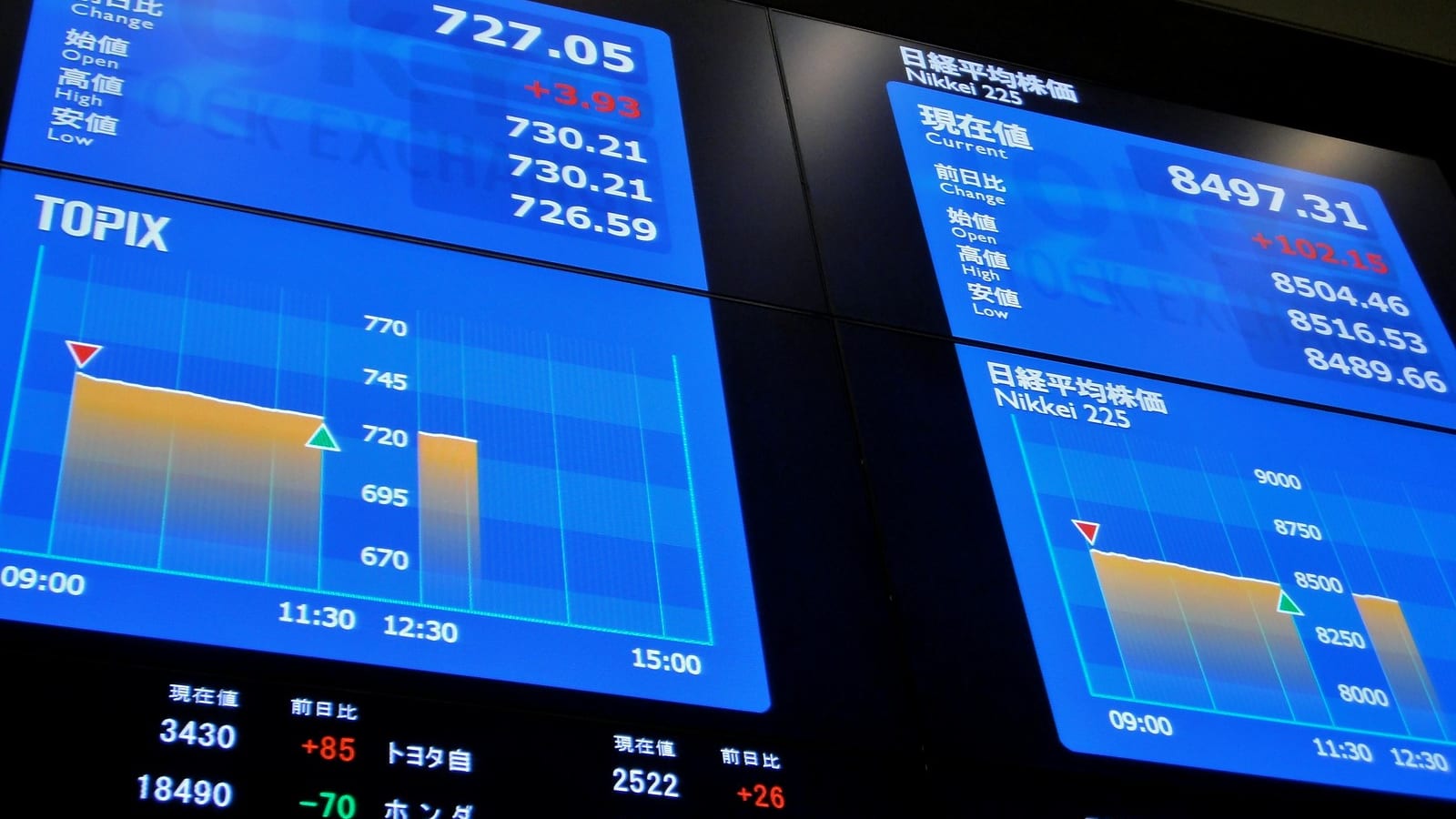
An exchange-traded fund, or ETF, is two things at once. It is a fund: a pool of stocks, bonds or other assets run to a stated objective, often tracking an index. And it is a listed security: its shares trade on an exchange all day, at prices that move with supply and demand. Understanding how those two sides connect explains most of what can go right, and wrong, when you trade one.[1]
Two markets, one fund
There are two places where ETF shares change hands. In the secondary market, investors trade existing shares with each other through a broker, exactly as they would a stock. That is where nearly all retail trading happens, according to FINRA, the US broker-dealer regulator.[1]
In the primary market, the fund itself issues new shares or cancels existing ones. Only a small group of firms, typically large broker-dealers under contract with the fund, can do this. They are called authorized participants, or APs, and they deal in large blocks of shares called creation units, transactions FINRA describes as typically worth millions of dollars.[1]
Creation and redemption, step by step
- Creation: an AP delivers a basket of the securities the fund holds (or cash) to the fund.
- In return, the fund gives the AP a block of new ETF shares, a creation unit.
- The AP can sell those shares to investors on the exchange.
- Redemption runs the other way: an AP hands a block of ETF shares back to the fund and receives the underlying securities (or cash). The shares are cancelled.[1]
This is why the number of shares in an ETF goes up and down over time. When demand rises, APs create shares; when investors sell, APs redeem them. Headlines about ETF inflows and outflows, such as the recent record withdrawals from spot bitcoin funds, are measuring this process.[1]
NAV, market price, premium and discount
Net asset value, or NAV, is what the fund's holdings are worth per share: total assets minus liabilities, divided by shares outstanding. Most ETFs calculate it once a day, at the market close. The market price is whatever buyers and sellers agree on during the day.[1]
When the market price is above NAV, the ETF trades at a premium; below it, at a discount. A worked example: if an ETF's NAV is $50.00 and its shares trade at $50.25, the premium is 0.5%. A buyer at that moment pays $50.25 for $50.00 of assets.[1]
Why the gap usually stays small
APs are the reason. If shares trade at a premium, an AP can buy the underlying securities at their lower value, exchange them for new ETF shares, and sell those shares at the higher market price. That extra supply pushes the price down toward NAV. At a discount, the AP does the reverse: buys cheap ETF shares, redeems them for the more valuable securities, and the buying lifts the price.[1]
This arbitrage works well when the underlying assets are easy to trade and price, such as large US stocks. It works less well when they are not: bonds that rarely trade, foreign stocks whose home markets are closed, or assets in a fast-moving market. FINRA warns that retail investors can trade at prices that deviate, sometimes significantly, from an ETF's underlying value.[1]
What this means when you trade
- Check the bid-ask spread: the gap between the highest bid and the lowest offer. For heavily traded ETFs it can be close to zero; for niche funds it can be wide.
- Compare the price with an estimate of value. Many ETFs publish an intraday indicative value, and fund websites show the history of premiums and discounts.
- Consider a limit order rather than a market order, so you set the maximum you will pay or the minimum you will accept.
- Be careful at the open, the close and during sharp market moves, when spreads tend to widen.[1]
Questions readers ask
- Can I buy shares directly from an ETF like a mutual fund?
- Generally no. ETFs do not usually sell shares to, or redeem them from, retail investors; you trade with other investors on an exchange.[1]
- Do outflows from an ETF hurt the investors who stay?
- Not directly. When an AP redeems, the fund hands over assets and cancels the matching shares, so the value per remaining share still reflects the holdings.[1]
- Where can I see an ETF's premium or discount?
- Most issuers publish the daily premium or discount and its history on the fund's web page; FINRA also suggests comparing the price with published value estimates.[1]
The takeaway is simple. An ETF's structure is designed to keep its price tied to what it owns, and for large, liquid funds it does that very well. The less liquid the holdings, the more attention the price you pay deserves. This explainer is for education and is not personal investment advice.[1]
Sources
- Exchange-Traded Funds and Products. FINRA, Sections on how ETPs trade, ETF structure, pricing, and fees. Accessed .