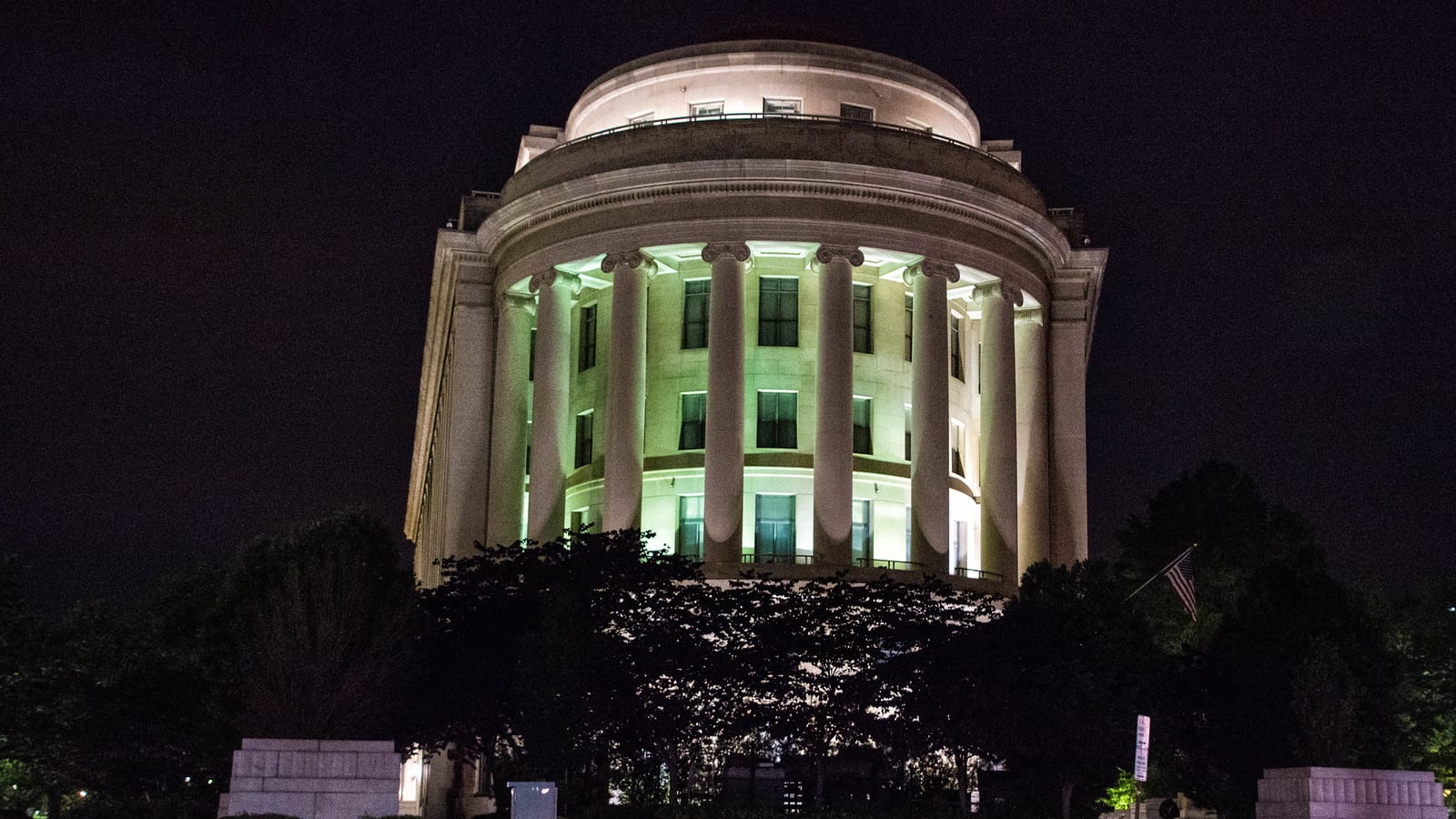
FTC narrows Northrop Grumman's rocket-motor order to large motors, ending it in 2033
The FTC kept its 2018 order on Northrop's Orbital ATK deal, but limited it to missile competitions using motors over 30 inches and cut its term by five years.
8 min read
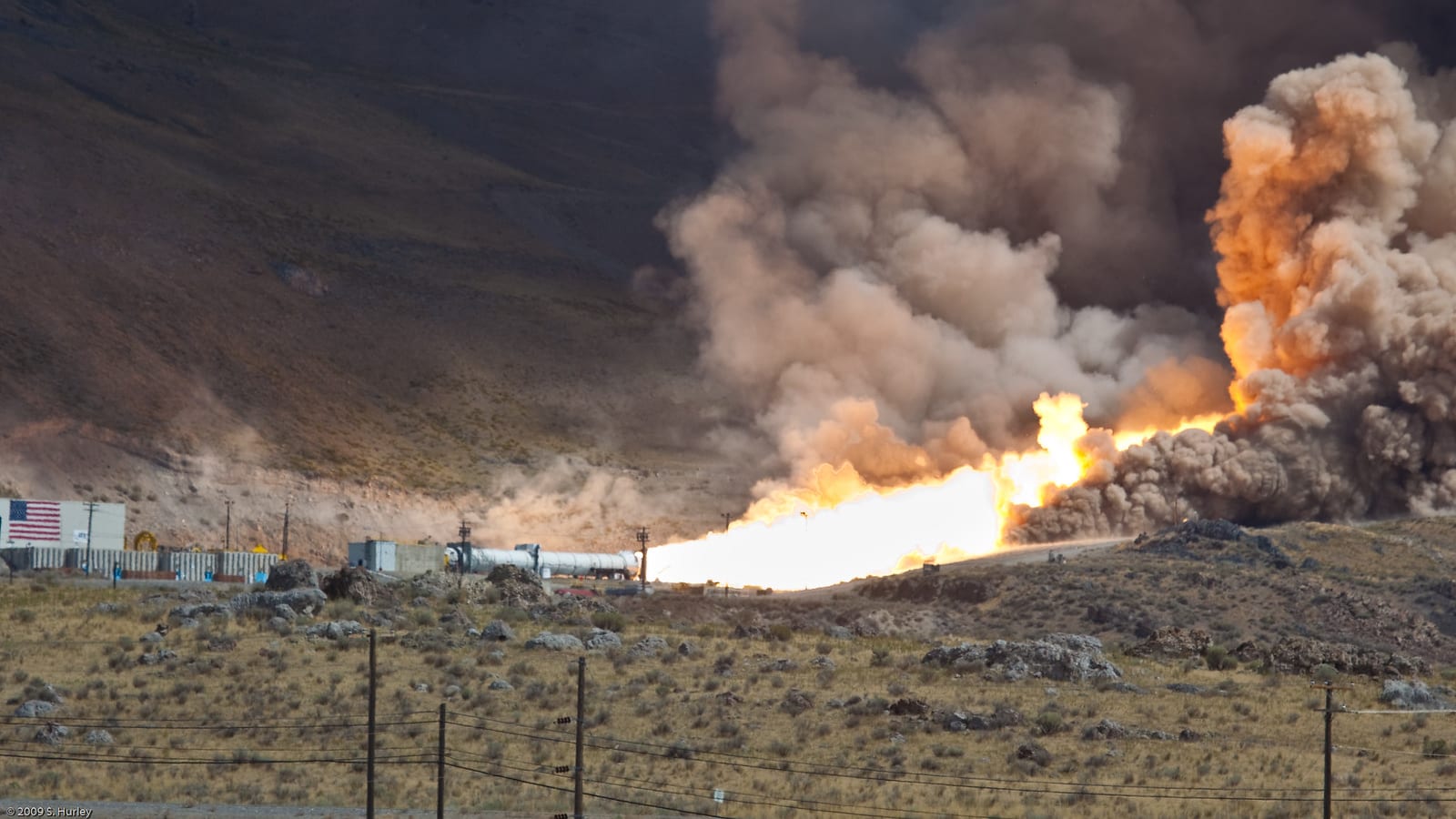
The Federal Trade Commission has refused to scrap the antitrust order that has governed Northrop Grumman Corporation's rocket-motor business since its 2018 acquisition of Orbital ATK — but the order that survives is a much narrower one. On November 25, 2026, the Commission voted 2-0 to limit the order to missile competitions involving large solid rocket motors, cut five years off its term, and ease Northrop's reporting burden, following the Department of War's recommendation.[1]
What changed
Three things changed. First, scope: the order now covers only missile competitions involving large solid rocket motors, which the FTC defines as motors with a diameter of more than 30 inches. Because a motor's diameter may not be known when a competition starts, the order also applies where the anticipated diameter is 25 inches or more, until Northrop certifies that the actual diameter is 30 inches or less.[1][2]
Second, duration: the order now terminates on June 5, 2033, rather than June 5, 2038. The original order ran for 20 years from June 2018; the modified order runs for 15. The Department of War told the Commission that about seven years of monitoring — from the modification to 2033 — was a reasonable period to watch the large-motor market while new suppliers develop.[2]
Third, paperwork: the FTC says it reduced the frequency of Northrop's compliance reporting. Under the modified order, Northrop files interim compliance reports 45 days after an event that triggers a notification duty, and every 120 days after that until the competition ends, Northrop is eliminated or withdraws, or it certifies the motors are 30 inches or less. The Commission also ordered Northrop to submit a revised, detailed compliance plan within 30 days.[1][2]
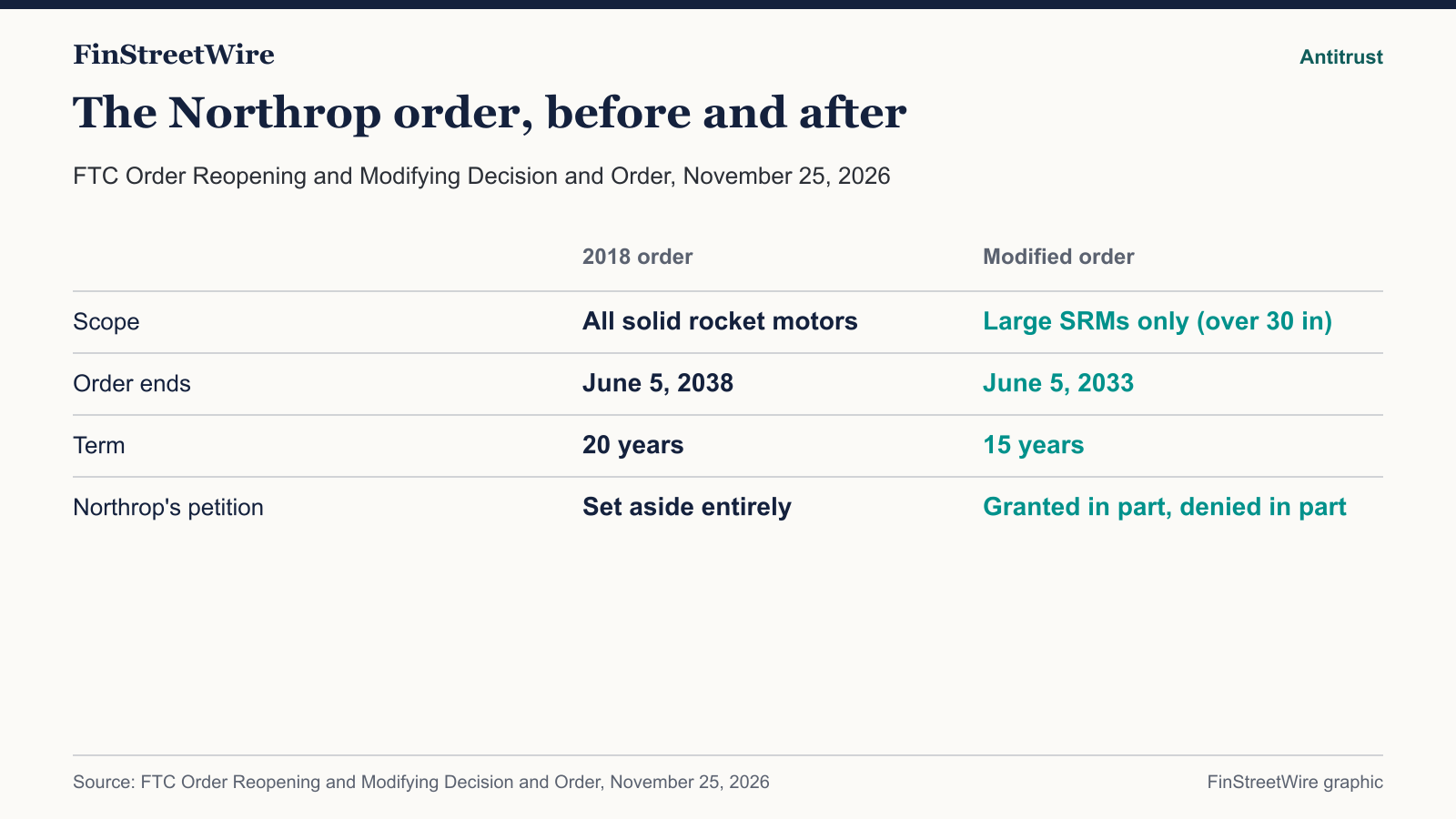
| Change | 2018 order | Modified order |
|---|---|---|
| Scope | All solid rocket motors | Large SRMs only — over 30 inches |
| Order ends | June 5, 2038 | June 5, 2033 |
| Term | 20 years | 15 years |
| Compliance reporting | More frequent | 45 days after a trigger event, then every 120 days |
Source: FTC press release and Order Reopening and Modifying Decision and Order, November 25, 2026. The FTC says it reduced reporting frequency; the prior cadence is not stated in the release.
Why the Department of War's view carried the day
The decisive voice was the customer. The Department of War is the only buyer of missiles in the United States, and it buys missile systems — not motors — from prime contractors through competitive bidding. The Commission says it gives substantial weight to the department's views in defense markets because it is the primary, sometimes only, end-use customer, and because a wrong call could carry second-order effects across the defense supply chain that the Commission could not predict.[2]
Under Secretary of War for Acquisition and Sustainment Michael P. Duffey wrote to the Commission on October 21, 2026, opposing Northrop's request in full but supporting exactly the three changes the Commission adopted: limiting the order to large motors, easing the reporting duties, and moving the end date to 2033. His letter said the department's analysis found Northrop is the prime contractor for the Sentinel program, which accounts for about 47 percent of the revenue of all strategic missiles produced from 2020 through 2025.[2]
“The industrial and strategic landscape has evolved since 2018. The United States is navigating high-intensity strategic competition with near peer adversaries while supporting allies in sustained, active conflicts.”
The Commission was careful to say the department's view was not dispositive: it calls itself the federal government's principal competition-law enforcer and says it must generally reach its own conclusions. But it added that it defers more heavily to the department's views on defense supply chains than to other agencies' views on civilian markets. Because it concluded the public interest favored modifying the order, the Commission said it did not need to decide Northrop's argument that the facts had changed since 2018.[2]
What Northrop asked for
Northrop petitioned on March 26, 2026, to reopen and set aside the 2018 order in full. It argued, first, that the rocket-motor market is far more competitive than it was in 2018, with new entrants and stronger incumbents; and second, that global conflicts have lifted demand for motors while the order's compliance burdens slow its ability to meet that demand. The Commission published the petition for comment and received four comments.[1][2]
The timetable was tight. Commission action was initially due on July 24, 2026, but Northrop agreed to extend the deadline, and on October 26, 2026, Northrop, Commission staff and the Department of War signed an agreement in principle under which Northrop consented to the modifications and the Commission had to act by November 25, 2026. It did so on the deadline day.[2]
“The public interest requires that the Order be modified but not set aside.”
The 2018 order, in brief
The order dates to Northrop's September 2017 agreement to buy Orbital ATK for about $9.2 billion in cash plus the assumption of debt. At the time, Northrop was one of four companies with deep experience building missile systems — the others were Lockheed Martin, Raytheon and Boeing — and Orbital, alongside Aerojet Rocketdyne, was one of only two significant American suppliers of the motors. The live worry was the Ground Based Strategic Deterrent, the Air Force's replacement for the Minuteman III intercontinental ballistic missile: Northrop was competing head-to-head with Boeing, and the FTC believed Northrop could disadvantage Boeing by limiting its access to Orbital's motors.[2]
On June 5, 2018, the Commission issued a complaint and a consent order, and on December 4, 2018, a modified order. To settle the allegations, Northrop agreed to a 20-year order requiring it to supply motors to rival prime contractors without discrimination, to keep a firewall between its motor business and its missile-prime team so rivals' non-public information could not cross over, to accept a Compliance Officer appointed by the department, and to run a compliance program. The order was set to expire on June 5, 2038.[1][2]
What survives is the core of that bargain, narrowed to the motors that matter most. The FTC says the order still requires Northrop to supply large motors to rivals on a nondiscriminatory basis and to maintain the firewall, and the department's letter said the changes would let Northrop better support urgent defense needs while preserving competition.[1]
“Modifying the Order as stated above should allow [Northrop] to better support the Nation's urgent defense needs while preserving competition.”
What the order does not do
The decision does not end the order, and the 30-inch line is not arbitrary. In the tactical missile market, the department's letter says, Northrop acts mainly as a merchant supplier of small motors; in the strategic market, where large motors are used, Northrop is the prime contractor for Sentinel. The narrowed order keeps the non-discrimination and firewall duties where Northrop is both a motor supplier and a competing prime.[2]
It also does not settle the question the Commission expressly avoided: whether the facts of the motor market have changed enough since 2018 to justify setting the order aside. The Commission said it did not need to reach that argument because the public interest supported modification on its own. And the order's end in 2033 is not the end of scrutiny — the department said seven years was a reasonable period to monitor the large-motor market while fostering new suppliers.[2]
What to watch
- Northrop's revised compliance plan, due to the Commission and the Compliance Officer within 30 days of the November 25 order.
- The first missile competition run under the narrowed order — and whether any rival prime contractor tests the 25-inch anticipated-diameter rule.
- Whether the large-motor market draws new suppliers before the order ends on June 5, 2033, which the department said was the point of the shorter term.
Questions readers ask
- Did the FTC scrap the Northrop order?
- No. The Commission granted Northrop's petition in part and denied it in part. The order stands, narrowed to missile competitions involving large solid rocket motors, and ends on June 5, 2033.[1][2]
- What counts as a large solid rocket motor?
- A motor with a diameter of more than 30 inches. The order also applies where the anticipated diameter is 25 inches or more and the exact diameter cannot be determined, until Northrop certifies the actual diameter is 30 inches or less.[2]
- Why did the Department of War's view matter so much?
- The Department of War is the only buyer of missiles in the United States. The FTC says it gives substantial weight to the department's views in defense markets — while still reaching its own conclusion — because a wrong call could have effects across the defense supply chain that it could not predict.[2]
Sources
- FTC Grants In Part and Denies In Part Northrop Grumman Petition to Set Aside Order. Federal Trade Commission, FTC modified the 2018 order on Northrop's Orbital ATK acquisition, narrowing it to missile competitions involving large SRMs (diameter over 30 inches); reduced compliance reporting frequency; shortened end date from 2038 to 2033; DoW letter quote ('should allow [Northrop] to better support the Nation's urgent defense needs while preserving competition'); four comments received; vote 2-0 to reopen and modify.. Accessed .
- Order Reopening and Modifying Decision and Order, In the Matter of Northrop Grumman Corporation and Orbital ATK, Inc., Docket No. C-4652. Federal Trade Commission, Petition filed March 26, 2026; grants in part and denies in part; term 20 years to 15 years; scope limited to large SRMs over 30 inches, anticipated diameter 25 inches or more until Northrop certifies actual diameter 30 inches or less; interim compliance reports 45 days after a trigger event and every 120 days thereafter; termination June 5, 2033; revised compliance plan within 30 days; September 2017 deal about $9.2 billion cash plus debt assumption; Northrop one of four missile prime firms, Orbital and Aerojet Rocketdyne only two significant US SRM suppliers; GBSD vs Boeing; June 5, 2018 complaint and order, December 4, 2018 modified order, 20-year order with non-discrimination, firewall, DoW Compliance Officer, compliance program; DoW letter October 21, 2026 from Under Secretary Michael P. Duffey; Agreement in Principle October 26, 2026; Commission must act by November 25, 2026; Sentinel about 47 percent of strategic missile revenue 2020-2025; DoW 7-year monitoring view; Commissioners Andrew N. Ferguson (Chairman) and Mark R. Meador.. Accessed .