US new home sales jump 14.2% to a 701,000 pace in October, but the gain is within the margin of error
The Census Bureau's own confidence range runs from a fall to a rise. The clearer signals are lower prices and a shrinking stock of homes for sale.
3 min read
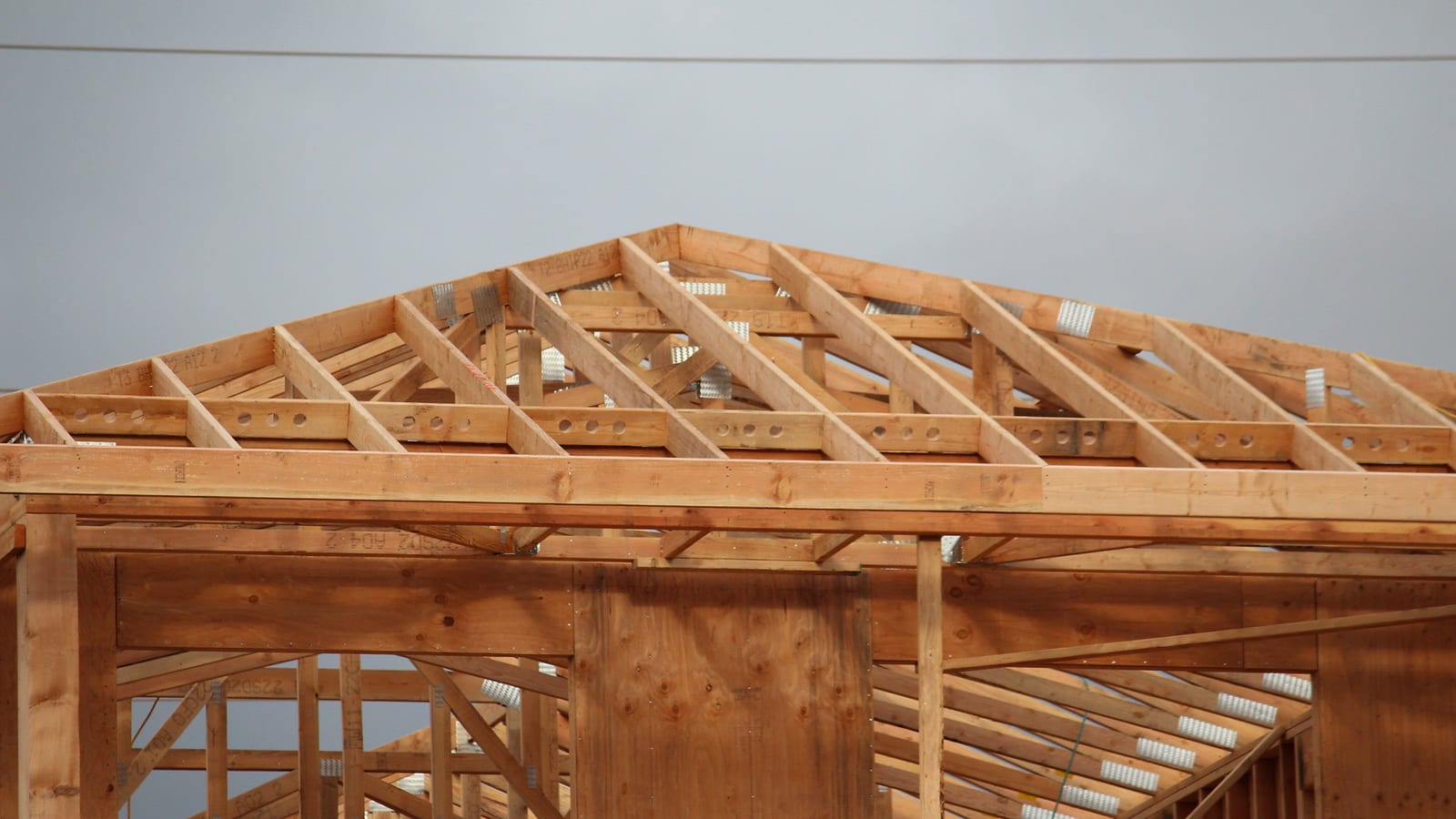
Sales of newly built US homes rose to a 701,000 annual pace in October, according to estimates published on Wednesday by the Census Bureau and the Department of Housing and Urban Development. On the face of it that is a 14.2% jump from September and a 7.5% increase from October 2025.[1]
The release itself warns against reading too much into it. New home sales come from a sample survey, and the margin of error on the monthly change is larger than the change. For investors in homebuilders, mortgage lenders and building-products companies, the more reliable signals in the report concern prices and inventory.[1]
What is statistically significant
| Measure | October 2026 | Change | Range | Significant? |
|---|---|---|---|---|
| Sales rate vs September | 701,000 | +14.2% | ±22.6 | No |
| Sales rate vs Oct 2025 | 701,000 | +7.5% | ±23.0 | No |
| Homes for sale vs September | 470,000 | -1.5% | ±1.4 | Yes |
| Homes for sale vs Oct 2025 | 470,000 | -4.1% | ±4.1 | Borderline |
| Median price vs Oct 2025 | $391,300 | -3.2% | ±9.2 | No |
| Average price vs Oct 2025 | $459,900 | -12.1% | ±8.1 | Yes |
A change is statistically significant when its 90% confidence range does not include zero. The year-on-year inventory range touches zero at its edge, so we mark it borderline. Source: U.S. Census Bureau and HUD, New Residential Sales, October 2026.
The Census Bureau's explanatory notes are explicit: when a confidence range contains zero, it is uncertain whether there was an increase or a decrease. That applies to the headline sales gain both month on month and year on year. October's figure will also be revised, and the bureau notes that seasonally adjusted series often move irregularly from month to month.[1]
Prices and supply
The average price of a new home sold in October was $459,900, down from $523,400 a year earlier. That 12.1% fall is outside the margin of error. The median, which is less affected by a few expensive sales, fell 3.2% to $391,300, a change the survey cannot distinguish from zero.[1]
A large fall in the average alongside a small, uncertain change in the median usually points to a shift in the mix of homes sold toward cheaper houses, rather than to every price falling. The report does not break that down, so this is our interpretation rather than a Census finding.[1]
The number of new homes for sale fell to 470,000 at the end of October from 477,000 in September, a small but significant decline. At the October sales pace that stock would last 8.0 months, down from 9.3 months. Months' supply is a ratio of inventory to the sales rate, so its fall is mostly a product of the uncertain sales jump.[1]
What to watch
- Revisions: September's rate has already been revised to 614,000; October's will be revised in the November report.
- Builder pricing: a falling average price fits builders offering cheaper homes or incentives, which matters for homebuilder margins.
- Next release: November new residential sales are due on December 23, 2026.
Questions readers ask
- Did new home sales rise in October 2026?
- The estimate rose 14.2% to a 701,000 annual rate, but the Census Bureau's 90% confidence range of plus or minus 22.6 points means it cannot confirm an increase.[1]
- Are new home prices falling?
- The average price fell a significant 12.1% from a year earlier to $459,900. The median fell 3.2% to $391,300, which is within the margin of error.[1]
Sources
- Monthly New Residential Sales, October 2026. U.S. Census Bureau and U.S. Department of Housing and Urban Development, Release CB26-188, p. 1 summary and explanatory notes. Accessed .