Nvidia GPUs hit the resale market after a US rule shuts China's remote-access route to AI chips
The Commerce Department's Nov. 19 rule reaches data centers anywhere that rent large amounts of compute to China-based firms. Some are already selling chips.
5 min read
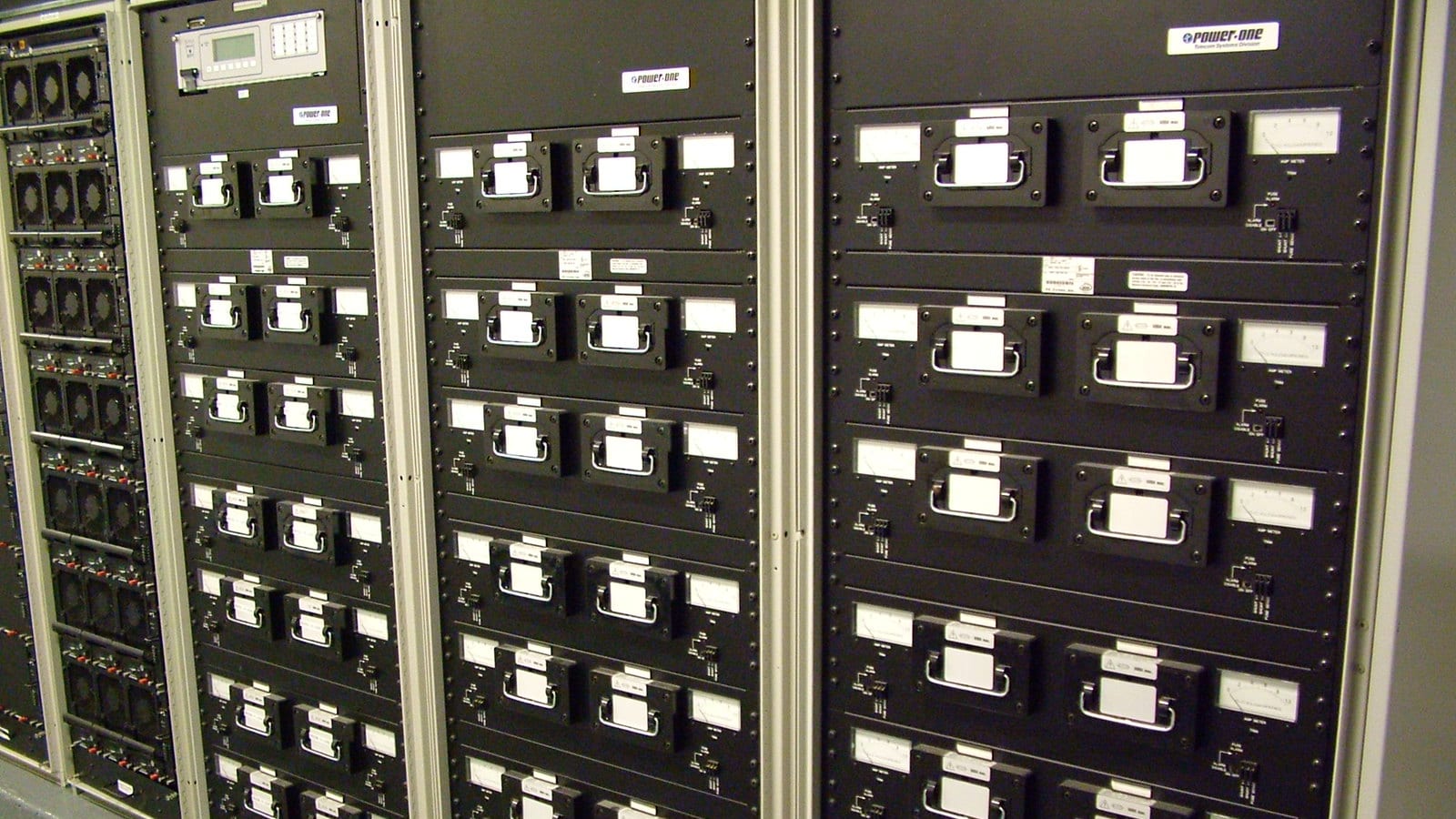
For four years, Washington's chip controls have mostly been about where a GPU ships. The rule the Commerce Department's Bureau of Industry and Security (BIS) put into force on Nov. 19 is about who gets to use it once it is plugged in, wherever that data center sits. The first commercial effect is already visible: operators that built capacity to rent to Chinese customers are trying to sell the hardware.[1][2]
Three people told CNBC that companies have put an unusually large volume of Nvidia graphics processors on the market since the measures were announced on Nov. 16. Jack Duhamel, president of the marketplace GPU Mart, told the broadcaster that the surge was directly attributable to the rule, and that deals for thousands of Nvidia's B300 chips had been floated.[2]
What the rule requires
The core of the interim final rule is a new end-use control. According to a summary by the law firm Morrison Foerster, exporters, re-exporters and anyone transferring covered chips need a license when they know the hardware will sit in a data center that provides significant compute to companies headquartered in China (including Hong Kong) or Macau, or whose ultimate parent is based there.[1]
"Significant" has a number attached: more than 12,000,000 aggregate TPP, either at one site or across linked data centers that share workloads. TPP, or total processing performance, is the chip-performance metric BIS uses to classify advanced processors. The control covers chips classified under ECCNs 3A090 and 4A090, with high-bandwidth memory carved out, plus related software and technology.[1]
- Existing arrangements: a data center already providing that level of compute to China- or Macau-headquartered customers has 90 days from the effective date to get a license if it wants to keep doing so.
- Shipments in transit: a separate, conditional 30-day savings clause covers qualifying shipments already en route.
- Diligence: exporters are expected to collect information on a foreign data center's own customer checks; a refusal to provide it counts as a red flag that presumptively supplies the required "knowledge".
- Five more countries: advanced chips to Indonesia, Malaysia, Singapore, Brazil and Thailand now need a license, except for qualifying US-headquartered consignees, which must be reported.
- Old framework removed: the rule formally rescinds most of the January 2025 AI Diffusion Rule, including its export classification for AI model weights.[1]
BIS is taking public comments for 60 days after publication, until Jan. 19, 2027, Morrison Foerster said. Because it is an interim final rule, it applies now while those comments are considered.[1]
Why sellers are moving now
The two people who spoke to CNBC on condition of anonymity said the chips appeared to have been bought for data centers in which Chinese companies would rent access. Under the new rule, that business model needs a license that may never come, which leaves the operator with expensive hardware and no tenant. Selling to a customer outside the rule's scope is the obvious exit.[2]
The administration presents the rule as closing a gap rather than opening a new front. US Trade Representative Jamieson Greer described the intent on CNBC's Squawk Box.[2]
“Some rules were issued by the Commerce Department last week to close off indirect access, either smuggling through places like Southeast Asia or remote access from data centers in third countries.”
The case that drew attention to the route was specific. In July, the US accused the Chinese AI lab Moonshot AI of reaching Nvidia chips through a facility in Thailand, CNBC noted, and the broadcaster reported on Nov. 5 that the company had sought access through data centers in Europe.[2]
What it means for Nvidia and chip prices
Nvidia has not quantified any effect. On its Nov. 17 earnings call, then-interim chief executive Colette Kress told analysts the controls were still under review and that demand far ahead of supply should keep results strong, CNBC reported.[2]
The resale wave tests that claim. If displaced chips find buyers quickly, the rule mainly reshuffles who uses existing capacity. If they do not, the extra supply could weigh on prices. Semafor reported that analysts see the tighter China restrictions worsening a coming US chip glut, and that the research firm SemiAnalysis has noted signs of a broader pricing cooldown for Nvidia's AI chips.[2][3]
There is also a second piece of legislation in the background. The Remote Access Security Act, which would give the government broader authority over access to cloud services, has passed the House but not the Senate, according to CNBC.[2]
Questions readers ask
- Does the rule ban selling chips to China?
- Direct sales of the most advanced chips to China were already restricted. This rule targets indirect use: data centers elsewhere that rent large amounts of compute to companies headquartered in China, Hong Kong or Macau.[1][2]
- When do existing data centers have to comply?
- Those already serving covered customers above the threshold must obtain a license within 90 days of Nov. 19, which by our calculation is Feb. 17, 2027.[1]
What to watch next: whether the Commerce Department issues licenses to existing operators before February, the comments filed by cloud providers and chip designers before Jan. 19, and whether resale prices for B300-class systems soften in the coming weeks.[1][2]
Sources
- BIS Issues Interim Final Rule Targeting GPU Remote Access and Advanced IC Design. Morrison Foerster, Overview; End-Use Control for Data Centers (§ 744.24); Effective Date and Comment Period. Accessed .
- Nvidia sellers seek new buyers as U.S. curbs China AI chip access, sources tell CNBC. CNBC, Full article. Accessed .
- Analysts raise concerns over impending US chip glut. Semafor, Full article. Accessed .